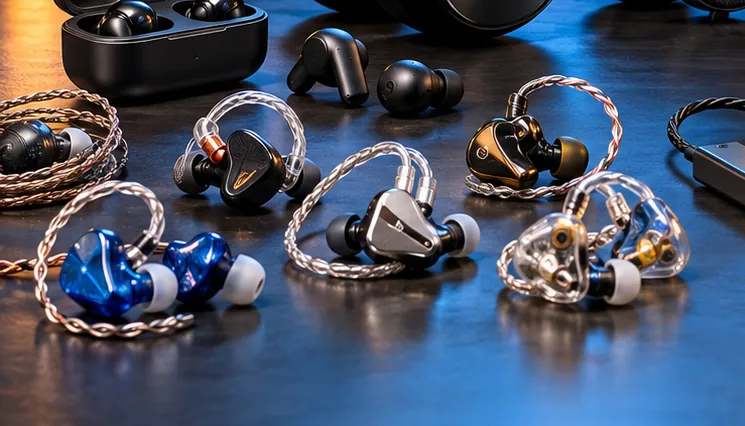
IEM
In-Ear Monitor
An IEM is an earphone that fits near the ear canal with an ear-tip. A good seal can reduce outside noise and keep bass response more consistent. Designs range from single-driver to multi-driver.
We will learn from the basics what IEMs, TWS, headphones, DACs and amplifiers are, when they are used and how they change the listening experience.
An IEM is an earphone that fits near the ear canal with an ear-tip. A good seal can reduce outside noise and keep bass response more consistent. Designs range from single-driver to multi-driver.
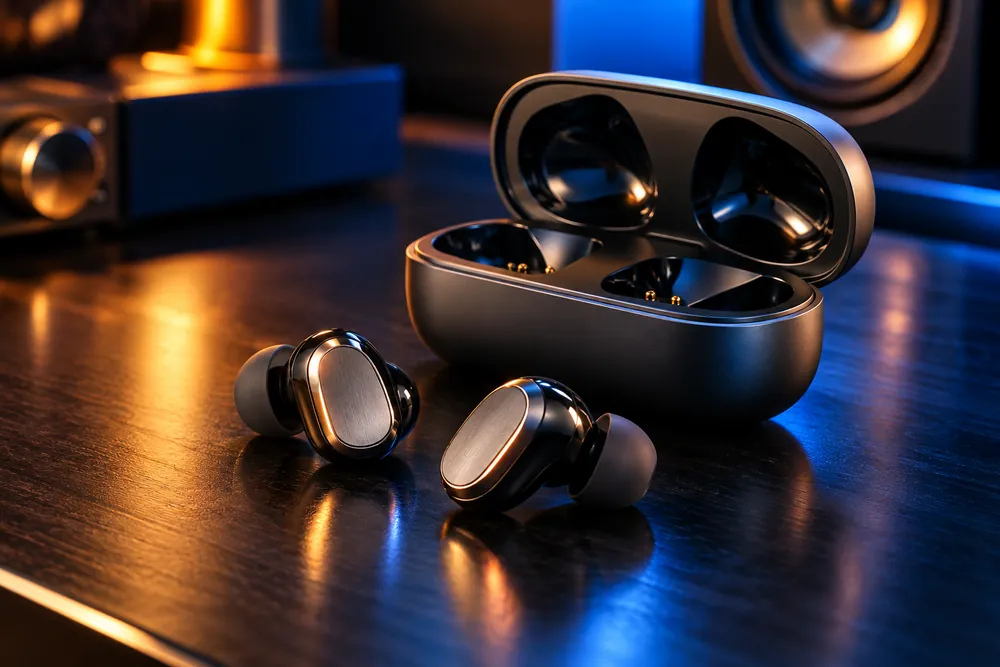
TWS means wireless earbuds without a cable. Battery, Bluetooth codec, microphone, ANC and the charging case are important features. Fit and seal vary by model.
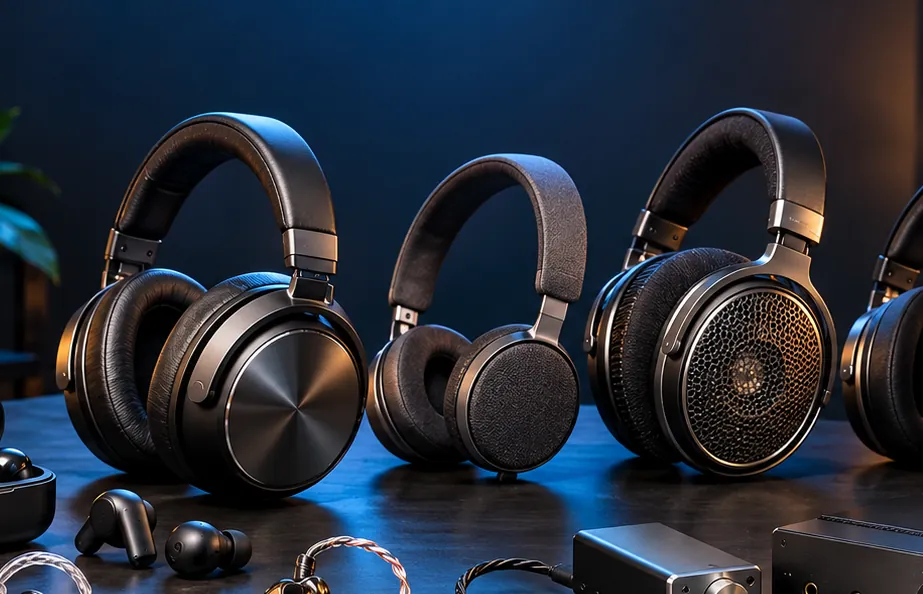
Over-ear headphones surround the ears; on-ear headphones sit on the ears. Open-back designs can have a natural/open presentation with leakage, while closed-back designs help block more outside noise and sound leakage.
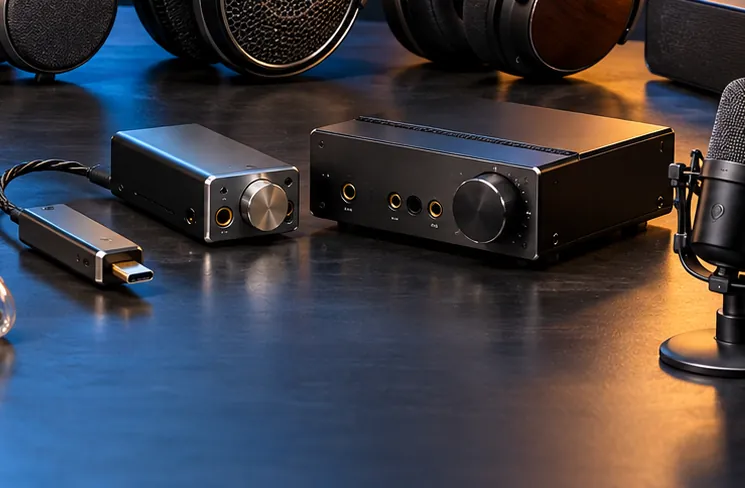
A DAC converts digital audio data into an analog electrical signal. Phones, laptops, dongles and desktop DACs may already contain one. An external DAC does not automatically mean better sound.
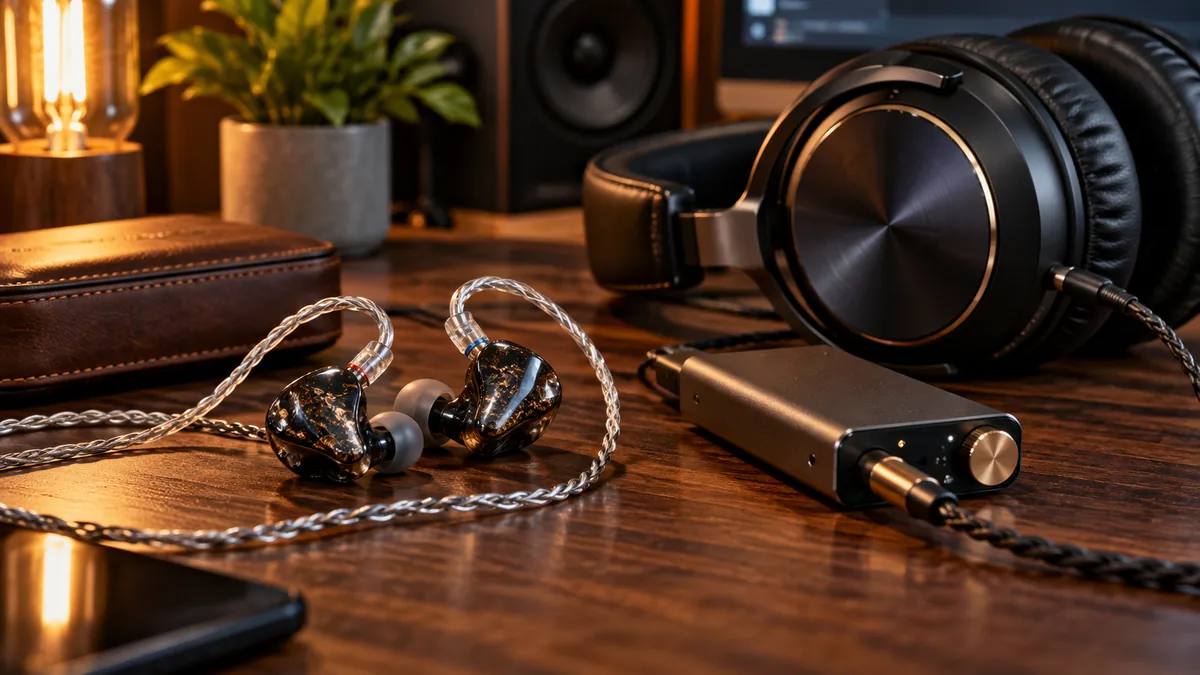
An amplifier provides the voltage/current needed by headphones or IEMs. Some headphones need more power, while many high-sensitivity IEMs need very little. A device combining a DAC and amplifier is commonly called a DAC/AMP.
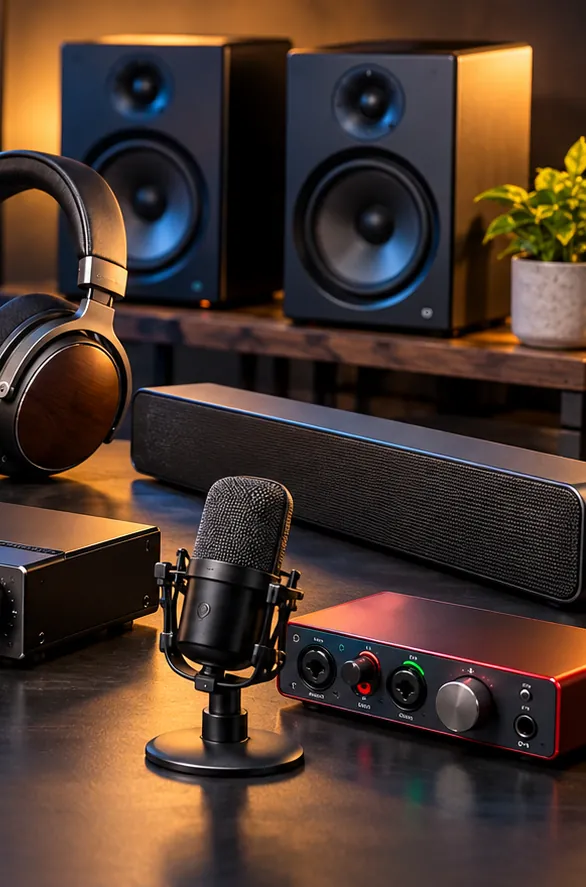
The audio world goes beyond IEMs and headphones. Bluetooth/home speakers, soundbars, studio monitors, microphones and audio interfaces each have their own uses.